8 cars in stock · Orlando, FL
Electric, with
the receipts.
Every car here arrives with a battery health figure we measured ourselves, the EPA range and what the car actually did on our own loop, its real DC charging curve, and a home charging plan for your house. The numbers are on the listing, not in the conversation.
- Avg. battery
- 94%
- Under market
- 2/8
- From
- $12,900
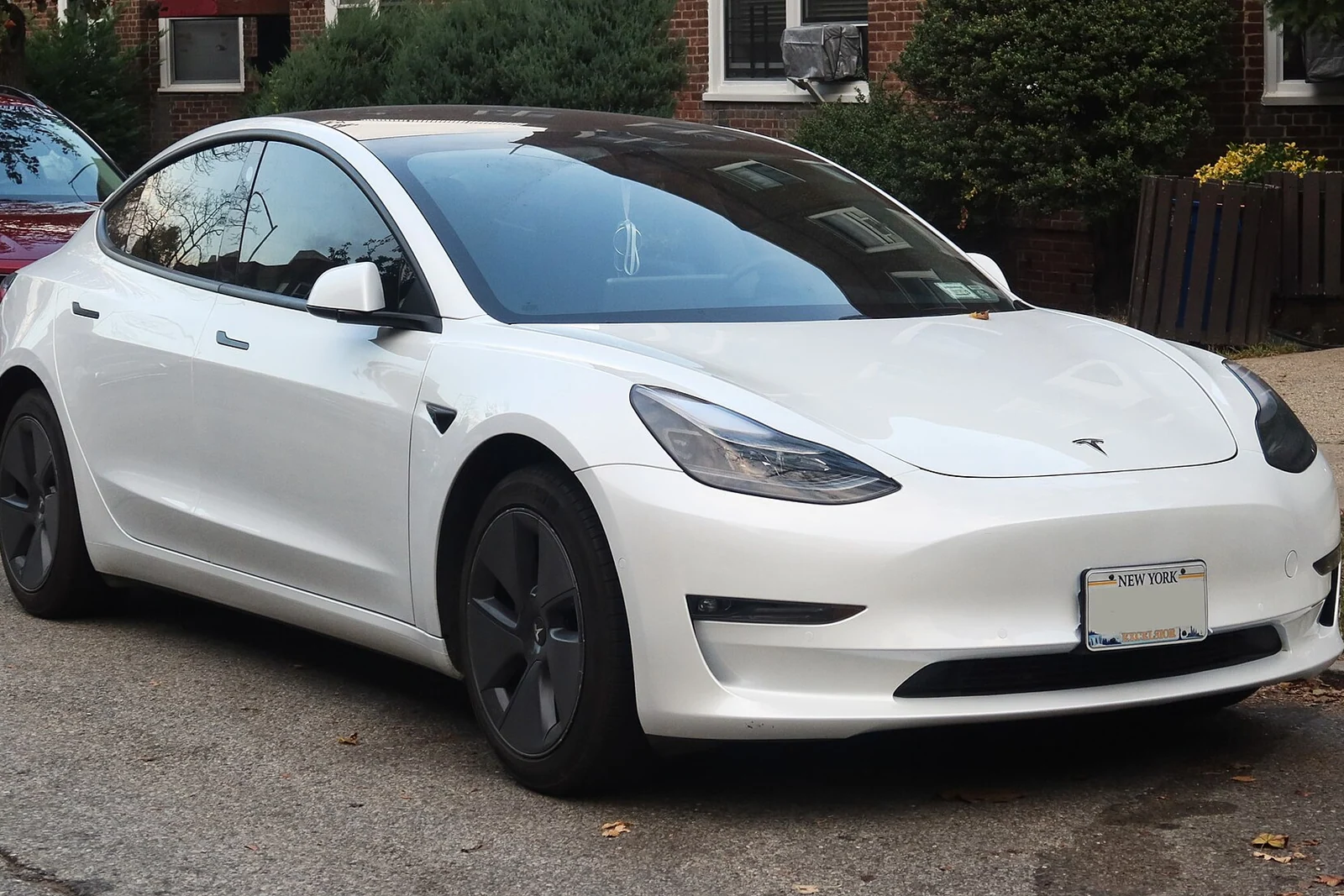
Longest range on the lot
2021 Tesla Model 3
Long Range AWD · 41,280 mi · condition 92/100
353 mi
322 mi measured · battery 94%
$24,900
Charging speed
250 kW peak
The 2021 Tesla Model 3 goes 10–80% in 31 minutes on a 250 kW charger. We log the curve on every car, because a peak figure alone tells you almost nothing.
Battery health
94% average
State of health across the current stock, measured by a full charge and discharge cycle with cell-level logging. Cars below our threshold never reach the lot.
Charging
Three ways to charge. We size the right one.
Most buyers are told to install the biggest charger they can buy. Most of them need the cheaper one. We read your commute and your panel, then say which.
Charging, explainedL1 · 120 V
Household outlet
Works anywhere, needs no hardware. Fine for a plug-in hybrid, painful for a full electric car doing real mileage.
3–5 miles per hour
L2 · 240 V · 7.2–11.5 kW
Home wall unit
The default answer for almost every buyer here. Overnight full charge, one install, and we arrange the electrician.
22–38 miles per hour
DC · 50–350 kW
DC fast charging
Road trips and busy days. We publish each car’s real curve, not the marketing peak, because the curve is what you live with.
10–80% in 18–40 minutes
1,240
battery tests run
480
home chargers arranged
33
days on lot, average
31
states delivered to
What we will not do
- Quote a battery figure we did not measure
- Publish a peak charge rate without the curve
- Sell a car with an open battery or software recall
- Pretend a city car is a road-trip car
How a car gets here
Five stages · no exceptions
-
01
Source
We buy from lease returns, fleet disposals and private owners, and we only take cars with a clean title and a readable battery history.
-
02
Battery test
A full charge and discharge cycle with cell-level logging: state of health, per-module deviation, DC charging curve, thermal behaviour and reported range against the EPA figure.
-
03
Software and recalls
Every open recall and service campaign is closed before listing, and the car is updated to the newest firmware the manufacturer allows.
-
04
Correction
Tyres, brakes, cabin filter, wipers, alignment, and the small things that make an electric car feel tired: bushings, dampers, steering feel.
-
05
Handover
Charged to 80%, home charging plan written down, both keys, the paper file and the battery report in your inbox before you arrive.
House rules
Four things we hold to.
Battery data, not adjectives
State of health goes on every listing, with the test method and the date. A car with 89% health is sold as a car with 89% health.
Range you can reproduce
We publish the EPA figure and what the car actually did on our 60-mile mixed loop, in the season we tested it.
Recall work closed
No car leaves with an open battery, software or charging recall. The paperwork proving it goes in the file.
Charging plan included
You get a written plan for your house before you sign: what to install, what it costs, and whether you need it at all.
Straight answers
The questions everyone asks about used EVs.
Longest range here
353 mi
Avg. battery health
94%
How do I know the battery is still good?
Every car here goes through a full charge and discharge cycle with cell-level logging, and the report is attached to the listing: state of health, module deviation, DC curve and capacity against new. If a pack is below our threshold it does not reach the lot.
What does a replacement battery cost?
It depends on the car and whether modules can be replaced individually. We quote the current number for each model on its page — including when the honest answer is “more than the car is worth, so buy this one on condition”.
Can I charge it at home?
Almost always. A household outlet adds 3–5 miles per hour; a 240 V wall unit adds 22–38. We size it for your commute and arrange the licensed install. If your panel cannot take it, we tell you before you buy, not after.
What happens to the warranty when I buy used?
The federal battery warranty — 8 years or 100,000 miles on most cars sold here — transfers with the car, and we give you the manufacturer documents. On top of that you get our own 30-day powertrain and charging-system cover.
Do you take a petrol car in part exchange?
Yes. We appraise it the same way, from measurements rather than a book figure, and we resell it through partner dealers rather than pretending it is ours.
Is a used electric car a risk?
Less than a used petrol car in one respect and more in another. The drivetrain has fewer parts to fail; the battery is the one expensive item, which is exactly why we publish its health. Read the report and the risk becomes arithmetic.
How far can I actually go in winter?
Expect 15–25% less than the EPA figure in a Florida winter and up to 30% less in a hard northern one, plus losses from heating. Our listings show the measured loop figure and the season it was measured in.
Do you ship, and does it arrive charged?
We deliver nationwide and export. Cars travel at 50–60% state of charge, which is what the packs prefer, and we send the charging plan and the battery report before the truck arrives.
Direct line
Talk to the person who tested the battery
No forms, no lead queue, no callback script. The number below rings in the workshop, and the email lands in the same inbox the battery reports come from.
Answer within four business hours, from the technician who ran the battery test.